

Blog provided by Together Trust. Together Trust champions for the rights and needs of care-experienced children and people with disabilities, autism and mental health differences.
Transitioning your child to sleep independently in their own bed can feel challenging but is achievable with the right steps and support. This guide explores essential strategies to create a welcoming sleep environment, meet emotional needs, and establish positive bedtime experiences, helping your child sleep confidently in their own space.
1. Create a Safe and Comforting Bedroom Space
A child’s bedroom should feel like a cosy retreat. Consider these ways to make their room inviting:
- Soft Lighting: Soft, warm lighting can create a sense of calm. A nightlight with a soft, amber glow can be comforting if your child feels uneasy about the dark.
- Favourite Items: Incorporate comforting objects like a beloved stuffed animal, special blanket, or a few family photos to give the room a sense of familiarity and security.
- Personalised Decor: If your child has input into how their room looks, it can increase their sense of ownership and comfort. Let them pick out small decor items or choose bedding that reflects their personality.
- Limited Distractions: Avoid overstimulating items like bright lights, large toys, or electronic screens to create a space designed solely for relaxation and sleep.
2. Address Social and Emotional Needs Before Bedtime
Children may resist sleeping alone if they feel emotionally unsettled. Creating a calm, connected bedtime routine can help ensure they feel loved, secure, and ready for a restful night:
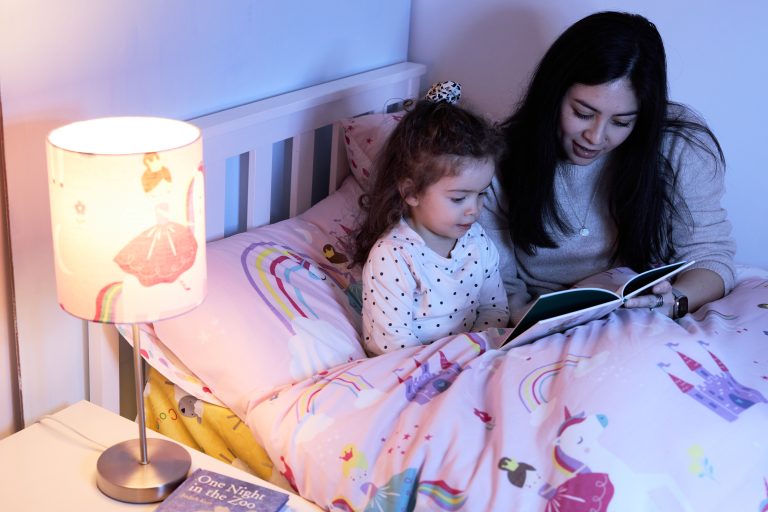
- Wind-Down Time: Establish a consistent bedtime routine with a mix of calming activities. Reading a story, talking about the day, or singing a lullaby can help children wind down.
- Reassurance and Praise: Let your child know you’re proud of their progress. Offer positive reinforcement, especially when they show courage or sleep a part of the night alone.
- Connection: Carve out dedicated time during the day or right before bed to address any concerns they may have. Sometimes, children resist sleeping alone if they feel they haven’t had enough time with you.
3. Use Gradual Retreat to Ease Separation Anxiety
For children who are used to sharing a bed or who feel anxious about sleeping alone, the gradual retreat method can be a gentle yet effective approach. Here’s how it works:
- Step-by-Step Movement: Start by sitting close to your child’s bed as they drift off. Over time, you can move further from the bed each night—moving to the doorway, then outside the door, and eventually out of the room. This helps them feel secure with you nearby and slowly builds independence.
- Maintain Consistency: Consistency is key with gradual retreat. Encourage them to stay in bed but assure them you’re still nearby. This approach helps them gain confidence without feeling abandoned.
- Reassuring Check-Ins: Once they’re comfortable in their bed with you outside the room, offer short, predictable check-ins. Let them know when you’ll be back to check on them if needed, and keep these check-ins brief and calming.
4. Associate the Bed with Positive Sleep Experiences
Building a positive association with their bed can help your child view it as a safe and happy place to sleep:
- Practice Positive Reinforcement: Praise your child for small wins, like staying in bed or sleeping part of the night independently. Rewards like a sticker chart or a small surprise the next day can make the experience rewarding.
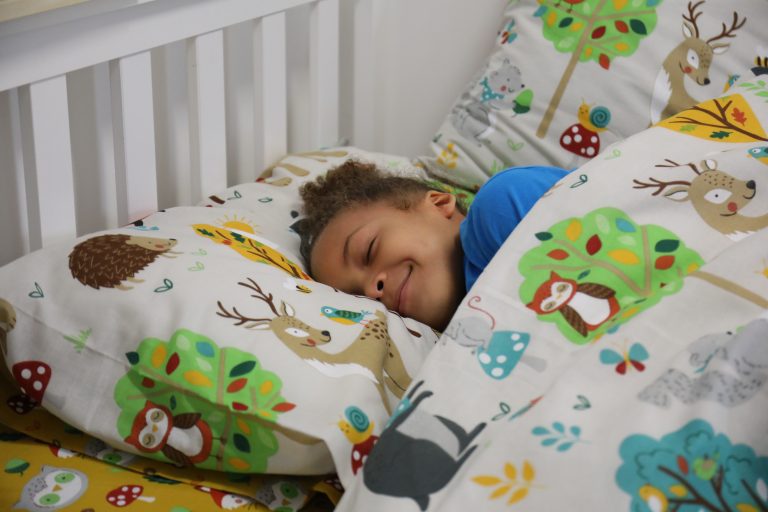
- Comfortable Environment: Invest in a good-quality mattress and soft bedding to make their bed inviting. If they enjoy cosy blankets or specific sleepwear, incorporate these to create a comforting sleep experience.
- Use Bedtime as a Relaxation Time: Frame bedtime as a positive and relaxing experience rather than something to dread. You can read a favourite story or tell them calming “sleepy” stories, making bedtime enjoyable and peaceful.
5. Patience and Understanding: Key to Success
Remember, sleeping independently is a big step for many children, so patience is essential. Some nights may go more smoothly than others, but with consistent efforts, your child will grow more comfortable in their own space. Celebrate their progress and reinforce their confidence to sleep on their own.
By fostering a safe, comforting environment, meeting emotional needs, and using gradual strategies, your child can learn to sleep peacefully in their own bed.


